Guinea to Hold Presidential Election Amid Tightened Political Space
Guinea is set to hold a presidential election on 28 December 2025, marking the country’s first national vote since the September 2021 military coup that brought Colonel Mamady Doumbouya to power.
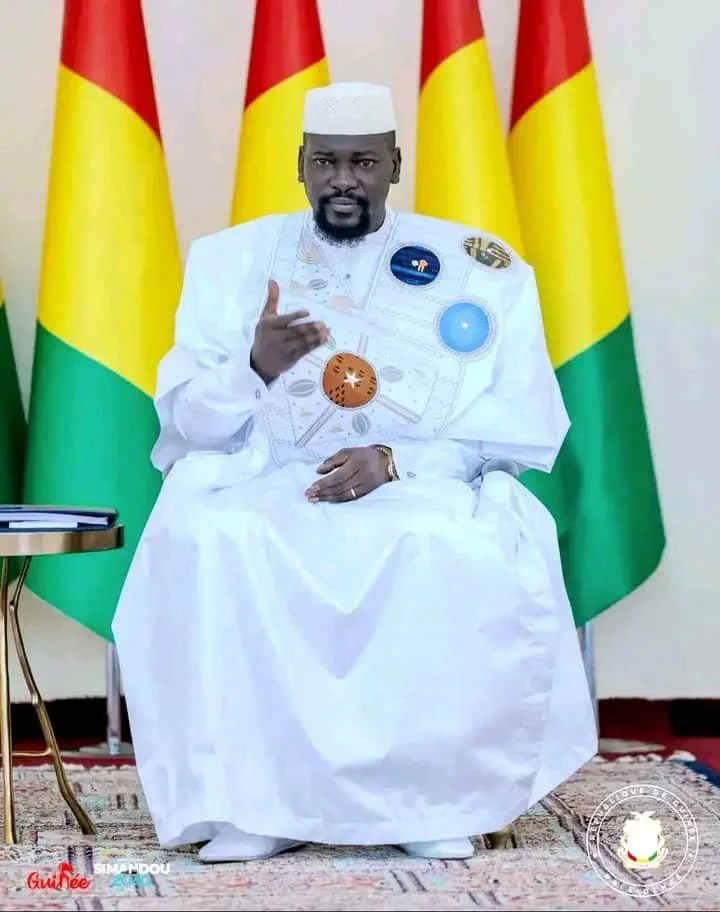
Guinea President, General Mamady Doumbouya Photo credit: Guinea.gov
The election follows a constitutional referendum held on 21 September 2025, with results confirmed on 26 September. The new constitution introduced significant changes to Guinea’s political framework, including extending the presidential term from five to seven years and removing restrictions that previously barred members of the ruling military junta from contesting elections. These changes cleared the way for Doumbouya to stand as a candidate.
Rules of the Contest
Under the revised constitution and electoral code, presidential candidates must meet new eligibility requirements relating to age, residency, and legal status. Opposition figures and civil society groups argue that the constitutional overhaul was crafted specifically to legitimise Doumbouya’s presidential ambitions. “This follows a well-worn script,” said a Guinean political analyst. “Power is seized, the rules are rewritten, and the coup leader rebrands himself as a civilian president.” Former president Alpha Condé, overthrown in the 2021 coup, has been ruled ineligible under the new residency provisions. Cellou Dalein Diallo, leader of the Union of Democratic Forces of Guinea (UFDG) and long‑time opposition figure, has also been disqualified, having lived abroad for several years.
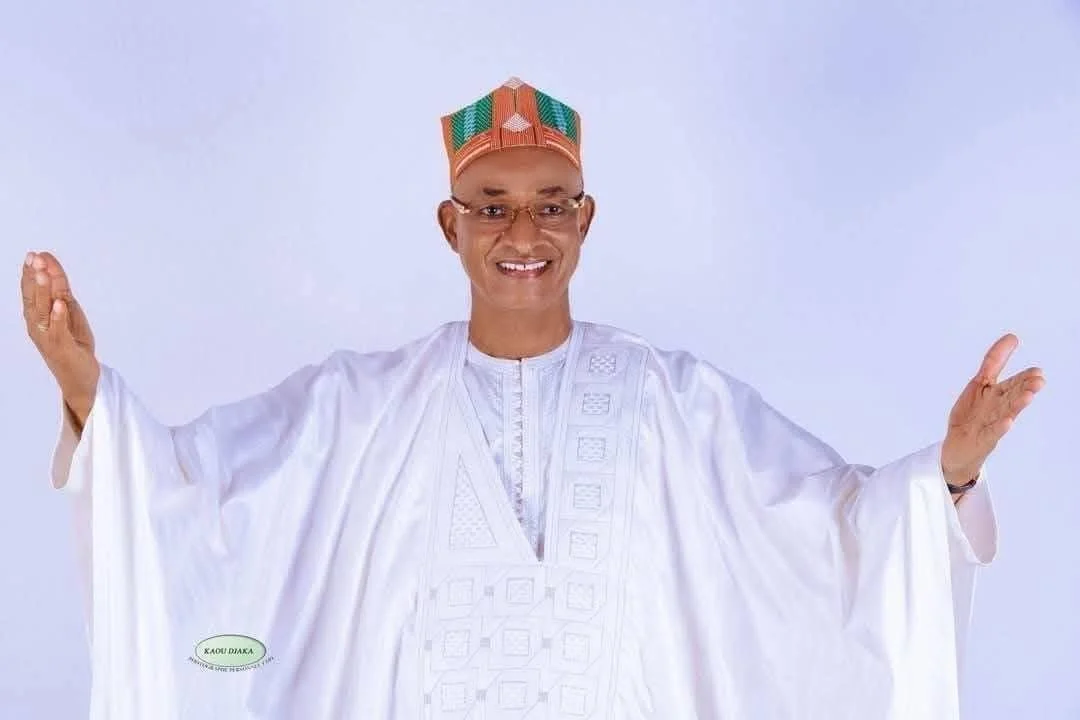
Cellou Dalein Diallo, leader, UFDG
Party Suspensions and Political Restrictions
Several major political parties have faced suspension or restrictions on their activities during the transition period. Authorities have suspended the UFDG and the Rally of the Guinean People (RPG Arc‑en‑ciel), citing alleged failures to comply with administrative requirements. Opposition leaders argue these measures have weakened organised political competition ahead of the vote. Public demonstrations have also been restricted, with protest bans periodically imposed on security grounds. Critics say these measures have reduced opportunities for open campaigning and political mobilisation.
Civic Space and Media Concerns
Human rights organisations have raised concerns about the state of civic space in Guinea during the transition. Civil society activists Foniké Menguè and Mamadou Billo Bah were arrested in July 2024 and remain missing, with their whereabouts still unknown. Their cases have drawn condemnation from international rights groups, who have called for transparent investigations. Journalist Habib Marouane Camara was abducted in December 2024 and has not been seen since. Media organisations say his disappearance has had a chilling effect on independent journalism, contributing to growing self‑censorship within the press.
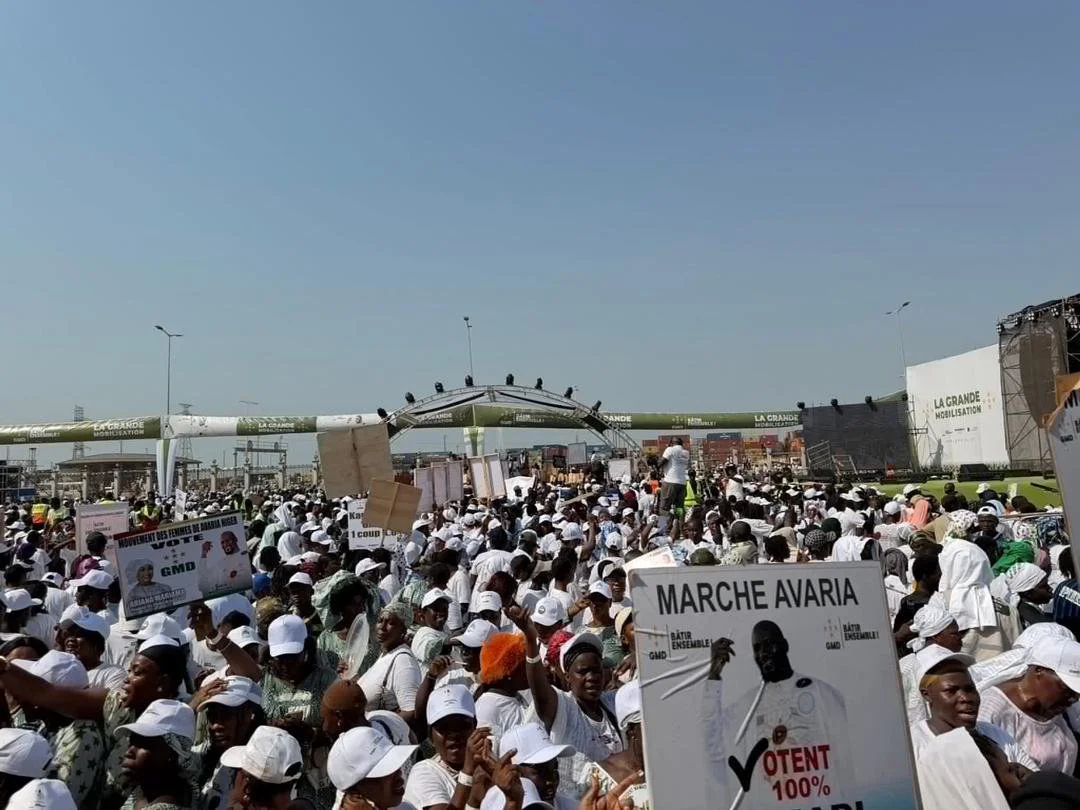
Supporters of General Mamdy Doumbouya at a campaign rally in Conakry
Campaign Environment and Media Control
Although General Doumbouya has kept a low public profile throughout the campaign, he has relied heavily on state-controlled media to promote his candidacy. His campaign operations have been largely managed by senior government figures, notably Prime Minister and campaign director Mamadou Oury Bah, alongside other cabinet ministers, blurring the line between state resources and electoral politics. Opposition figures argue that this imbalance has deprived the campaign of fairness, while severely limiting access to independent media and public platforms.
Candidates Approved
The electoral authority has approved President Doumbouya’s candidacy along with a limited field of opposition challengers. Those cleared to run include:
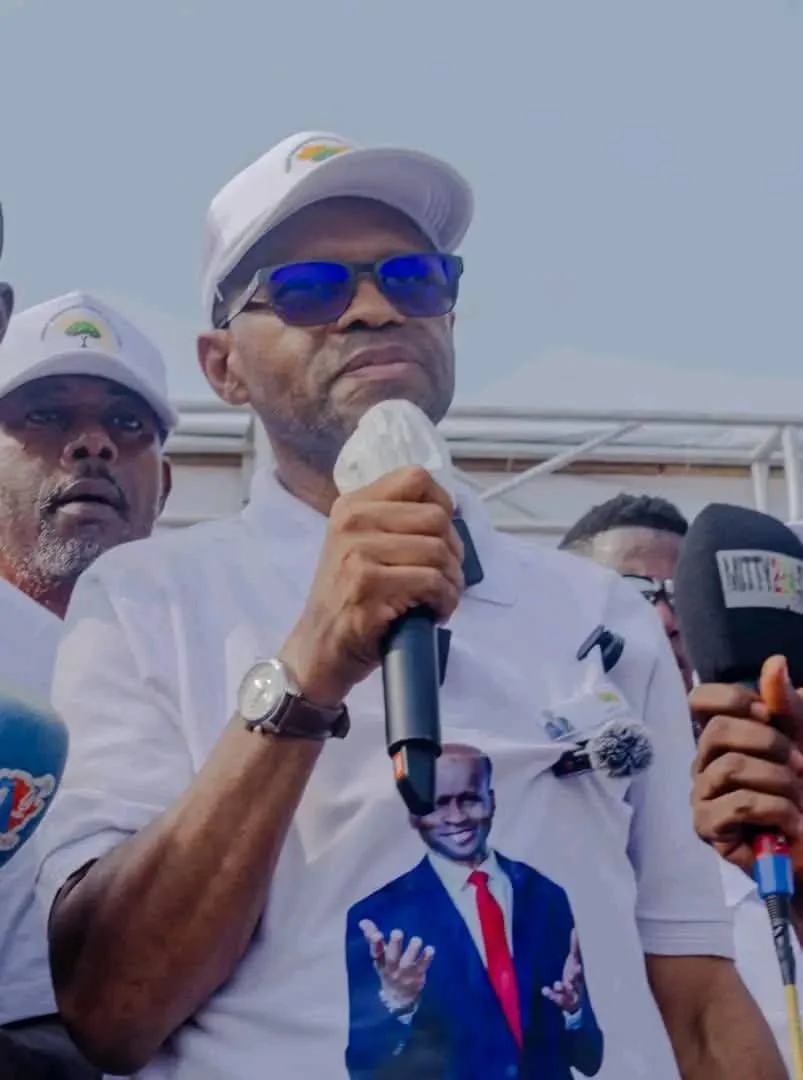
Abdoulaye Yero Baldé: Leader, Democratic Front of Guinea (FRONDEG).
Mamady Doumbouya: Incumbent president and leader of the 2021 coup. His campaign has been conducted largely through state institutions rather than direct voter engagement.
Abdoulaye Yero Baldé: Leader of the Democratic Front of Guinea (FRONDEG). He has emerged as the most visible opposition figure, widely regarded as the only candidate drawing large crowds, particularly among young voters, during the campaign.
Makalé Camara: Leader of the Front for National Alliance (FAN) and the only female candidate. She has campaigned on inclusion and political renewal, though her prospects remain uncertain.
Ibrahima Abé Sylla: Candidate of the New Generation for the Republic (NGR) party.
Faya Lansana Millimouno: Leader within the Liberal Bloc (BL).
Abdoulaye Kourouma: Candidate from the Rally for Development and Democracy (RRD).
Mohamed Nabé: Leader of the Alliance for Renewal and Progress (ARP).
Bouna Keita: Candidate from the Rally for a Prosperous Guinea (RGP).
Mohamed Chérif Tounkara: Independent candidate.
Outlook and Credibility
As the campaign closed on Thursday, the December election is shaping up to be a key test of Guinea’s promised return to constitutional order. The authorities have pledged a transparent and peaceful vote, while opposition groups and rights organizations continue to warn that the political playing field remains uneven. The three main opposition parties—the Union of Democratic Forces in Guinea (UFDG), the Rally of Guinean People (RPG), and the Union of Democratic Forces (UFD) have called on their supporters to stay at home and abstain from participating in the electoral process.
International observers are expected to monitor the process closely, with attention focused on voter participation, media freedom, and the handling of post-election disputes. Whether the election succeeds in restoring broad public confidence in Guinea’s democratic institutions remains an open question.