UN General Assembly Vote Reframes Slavery as Historic Injustice and Advances Reparations Debate
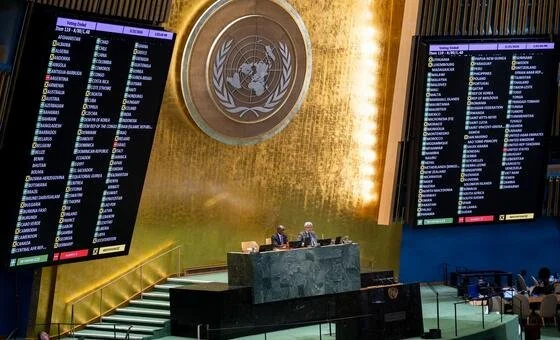
At the General Assembly plenary (commemorative meeting) on 25 March 2026, member states adopted a resolution declaring the trafficking of enslaved Africans and the transatlantic slave trade among the gravest injustices in human history.
The vote recorded 123 in favour, with the United States, Israel, and Argentina opposed, and 52 abstentions including the United Kingdom.
That distribution reflects where alignment fractures as the conversation moves from acknowledgement to implication.
Opposition from the United States, Israel and Argentina centres on the implications of the resolution, particularly where recognition begins to carry legal and reparative consequence. This reflects resistance to applying contemporary legal frameworks to historical acts and to language that may establish expectations of state liability or compensation.
The UK Explanation of Vote on UN Resolution on Enslavement of Africans, issued on 25 March 2026, affirms the enduring harms of slavery while withholding alignment on the legal framing and implications for reparative justice.
For Western nations that abstained, including the United Kingdom, the move sits between alignment and resistance.
The resolution brings reparations into formal international consideration as a mechanism for remedy.
This formalises what has long been established within African and diaspora knowledge systems, now entering formal international architecture.
Who translates this into policy, who shapes the narrative that sits around reparations, and who ensures that this moment is not archived but activated.
Resolutions change systems by redrawing the boundaries of what can now be demanded, including accountability and reparative justice.